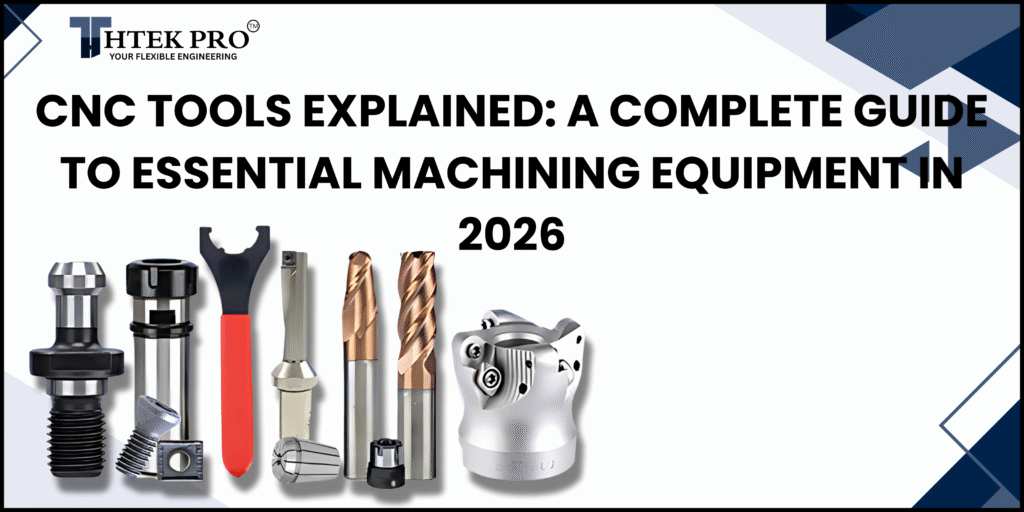
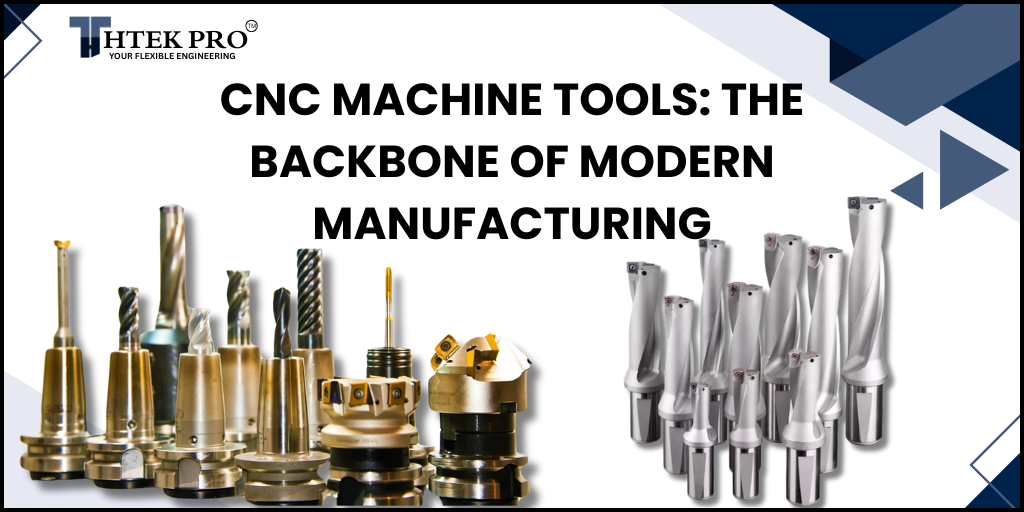
- 16MM Cutter 2 Pocket Suitable To APMT 11
- 3-Flute Aluminum End Mill
- 32 MM Indexable Endmill 3 Pocket For APMT 1604
- Carbide drill 45 HRC
- Drill Sleeve
- Face Grooving Boring Bar
- Flat Endmill 55 HRC
- Profiled Point Revolving Center
- Solid Car Bide Drill
- Spade Drill
- Standard Point Revolving Center
- Stub Point Revolving Center
- Turret Socket Sleeve
- Universal MS/SS Endmill
The Ultimate Guide to CNC Machining Services: Everything You Need to Know in 2025


In today’s world of precision engineering and advanced manufacturing, CNC machining services have become essential for industries ranging from aerospace to medical devices, automotive to electronics. Whether you’re a product designer, engineer, entrepreneur, or student, understanding CNC machining and how it impacts modern production can help you make smarter decisions.
In this comprehensive guide, we’ll explore what CNC machining is, how it works, the role of a CNC machinist, and why choosing the right CNC machining services can make all the difference for your project.
What Is CNC Machining?
CNC stands for Computer Numerical Control — a technology that enables manufacturing machines to be controlled by computer programming instead of manual operation. Unlike traditional machining methods, CNC machining eliminates human error and delivers highly accurate results with repeatable precision.
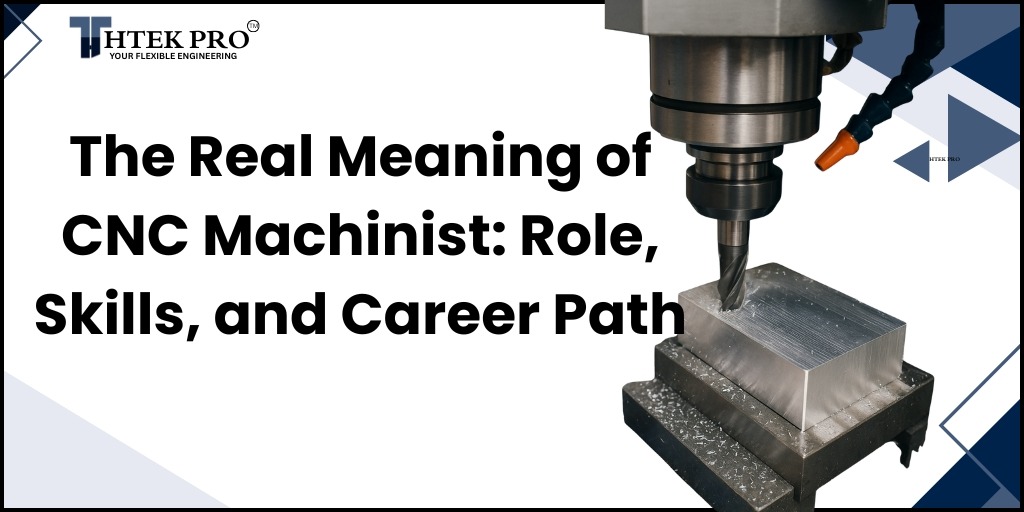
CNC machining involves taking a solid block of material (called a workpiece) and using specialized tools to remove material and achieve a final design according to digital CAD (Computer-Aided Design) files.
This process is widely used for producing complex parts at scale with minimal tolerances — often within microns.
👉 Learn more about CNC machining fundamentals at the SME (Society of Manufacturing Engineers): https://www.sme.org
How CNC Machining Services Work
CNC machining services typically follow this workflow:
- Design Preparation
Engineers design the part using CAD software. - Conversion to CAM
Computer-Aided Manufacturing (CAM) software converts CAD designs into machine tool paths. - Machine Setup
The CNC machine — such as a mill or lathe — is prepared, including tooling and fixturing. - Production Run
The CNC machine executes the programmed instructions to cut, drill, or shape the part. - Quality Control
Finished parts go through inspection to ensure they meet specifications.
Whether you need a prototype or a mass production run, CNC machining services adapt to different needs with consistent quality.
Types of CNC Machining Services
Here are the most common types of CNC machining:
1. CNC Milling
This process uses rotating cutting tools to remove material. It’s ideal for complex surfaces and 3D part profiles.
2. CNC Turning
In turning, the workpiece rotates while a stationary cutting tool shapes the material. Perfect for cylindrical parts.
3. CNC Drilling
Used to create precise holes at specific depths and diameters.
4. CNC Grinding
Provides ultra-fine surface finishes and tight tolerances.
These services can be combined to achieve highly complex and precision parts.
Materials Used in CNC Machining
CNC machining services support a wide range of materials:
- Metals: aluminum, steel, titanium, brass
- Plastics: nylon, PEEK, ABS, Delrin
- Composites: carbon fiber, fiberglass
- Exotic Alloys for aerospace and medical applications
The choice of material depends on strength, durability, cost, and final product application.
👉 For detailed material characteristics, visit MatWeb Material Property Data: https://www.matweb.com
CNC Machinist: The Heart of the Process
While the technology drives precision, the CNC machinist brings expertise to maximize machine capabilities. A CNC machinist is responsible for:
- Programming CNC machines
- Setting up tooling and fixtures
- Monitoring machining operations
- Troubleshooting production issues
- Ensuring part quality
Experienced CNC machinists can reduce waste, improve cycle time, and help customers optimize designs for manufacturability.
Benefits of CNC Machining Services
Choosing professional CNC machining services offers several advantages:
✔ Accuracy and Precision
The computer-controlled process delivers parts with tight tolerances, often unattainable by manual methods.
✔ Repeatability
Once programmed, parts can be made repeatedly with consistent quality.
✔ Fast Turnaround
CNC machining accelerates production — from prototyping to full-scale runs.
✔ Versatility
Works with metals, plastics, and exotic materials.
✔ Cost-Effective
Reduces labor time and material waste compared to traditional machining.
These benefits make CNC machining services a top choice for modern industries requiring high-quality components.
Applications of CNC Machining Services
CNC machined parts are used in:
- Aerospace & Defense
- Medical Devices & Implants
- Automotive Engineering
- Electronics & Communication
- Industrial Machinery
- Consumer Products
From engine components to surgical instruments, CNC machining plays a vital role in manufacturing innovation.
How to Choose the Right CNC Machining Services Provider
When selecting a CNC machining partner, consider:
✅ Experience and expertise in your industry
✅ Range of machining capabilities
✅ Quality certifications (e.g., ISO 9001)
✅ Material options available
✅ Lead times and delivery capabilities
Reading reviews, asking for sample parts, and verifying case studies can help ensure you choose a reliable provider.
Conclusion
In the age of precision engineering and rapid product development, CNC machining services have emerged as a cornerstone of modern manufacturing. With meticulous accuracy, fast production times, and adaptability to complex materials, CNC machining remains a top choice for industries that demand excellence.
Whether you’re building your first prototype or scaling a production line, understanding how CNC machining works and what to look for in a service provider will help you deliver quality products — faster and more efficiently.